- Market Minute
- Posts
- IEA SPR Release Will Have Minimal Long-Term Impact
IEA SPR Release Will Have Minimal Long-Term Impact

Kevin Green
March 11, 2026
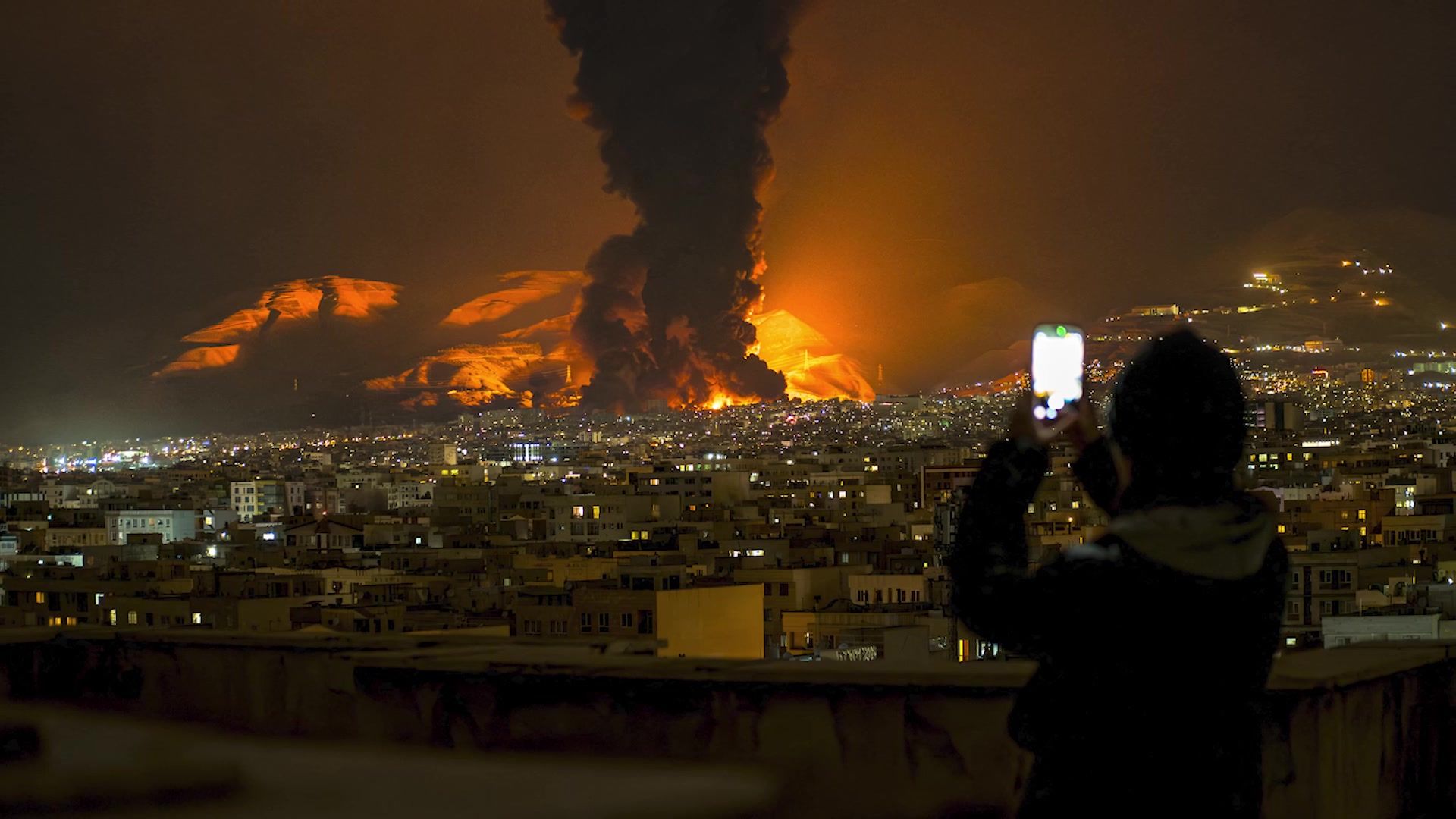
The International Energy Agency (IEA) is proposing its largest-ever coordinated Strategic Petroleum Reserve (SPR) release from member countries today, which could total 300 to 400 million barrels, nearly double the coordinated release in 2022 following the start of the Russia–Ukraine conflict.
In an attempt to push down oil prices and ensure adequate supplies for member countries, the organization is deploying the “bazooka” option to tame prices. While this move may have a near-term impact, it could do very little over the coming weeks to reduce volatility in the energy markets.
To measure the assumed “perfect” impact of this release, it is helpful to walk through the numbers. The Middle East averages around 12.1 million barrels per day of crude oil production. As of this morning, production has been roughly cut in half, meaning the global market is currently facing a shortfall of approximately 6 million barrels per day.
If the full 400 million barrels were released, it would theoretically provide about 66 days of coverage in a perfect scenario—and that assumes no additional production disruptions in the Middle East.
However, even though the initial announcement is expected to act as a bearish “shock” to the market, real-world constraints remain. These include flow-rate limitations (the amount of oil each country can physically release from its SPR on a daily basis) and regional refining capacity, which determines how quickly those barrels can be processed into usable fuels.
History also suggests that SPR releases alone do not necessarily cap prices. In 2022, when the IEA coordinated a similar release, oil prices continued rising for roughly three months before ultimately peaking. That peak coincided with the Federal Reserve aggressively raising interest rates, which helped weaken demand and bring prices lower.
There is also a longer-term dynamic to consider. If this release reaches its full expected volume, it will eventually create future demand when member countries begin refilling their reserves, potentially acting as price support for longer-dated crude contracts.
Ultimately, this measure represents a short-term solution to a structural problem. It does not resolve the logistical restrictions through the Strait of Hormuz, it does not reduce the risk of tanker and cargo ship attacks, and it may actually increase long-term demand for heavy sour crude, a type of crude that the United States does not produce in large quantities domestically.
Given that many of the production shut-ins across the Middle East could take weeks, if not months, to restore, this short-term stopgap effectively relies on the hope of a lasting resolution within the next one to two months. If the conflict continues or escalates, energy prices could continue to move aggressively higher from current levels.
Morning Minute
Featured Clip

Tune in live from 8 a.m. to 5 p.m. ET, or anytime, anywhere, on‑demand.
Or stream it via thinkorswim® and thinkorswim Mobile, available through our broker-dealer affiliate, Charles Schwab & Co., Inc
Please do not reply to this email. Replies are not delivered to Schwab Network. For inquiries or comments, please email [email protected].
See how your information is protected with our privacy statement.
This material is intended for informational purposes only and should not be considered a personalized recommendation or investment advice. Investors should review investment strategies for their own particular situations before making any decisions.
Schwab Network is brought to you by Charles Schwab Media Productions Company (“CSMPC”). CSMPC is a subsidiary of The Charles Schwab Corporation and is not a financial advisor, registered investment advisor, broker-dealer, or futures commission merchant.
Charles Schwab Media Productions Company and all third parties mentioned are separate and unaffiliated, and are not responsible for one another's policies, services or opinions.
Data contained herein is obtained from what are considered reliable sources. However, its accuracy, completeness, or reliability cannot be guaranteed. All events and times listed are subject to change without notice.
1