- Market Minute
- Posts
- Liquefied Natural Gas Fallout from the Iran Conflict
Liquefied Natural Gas Fallout from the Iran Conflict

Kevin Green
March 19, 2026
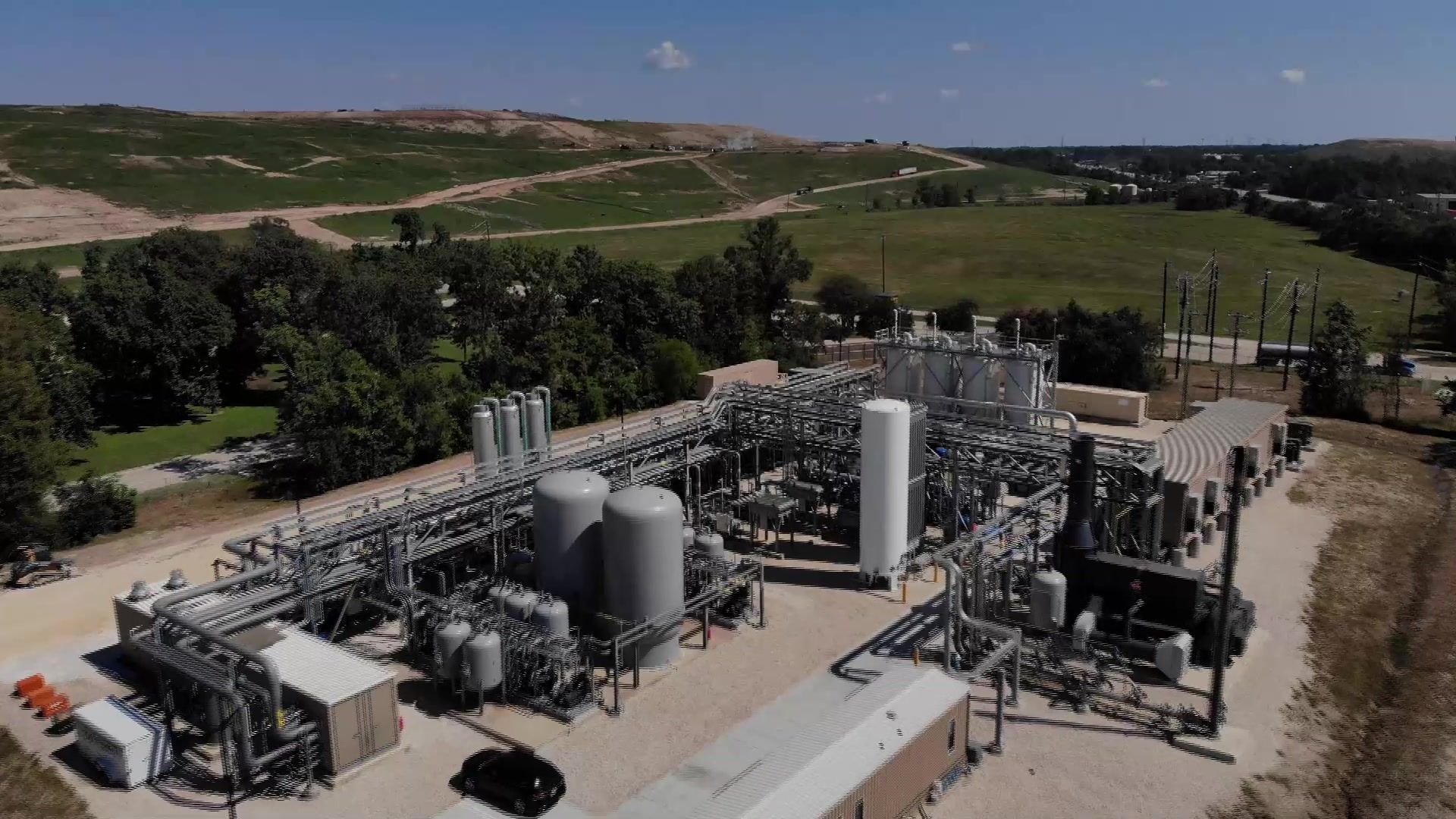
It is no surprise that oil markets continue to move higher as the Strait of Hormuz remains effectively closed, disrupting roughly 20 million barrels per day of oil and petroleum products from reaching global markets. However, the conflict is now expanding, with strikes targeting oil storage facilities, pipelines, and—critically—natural gas infrastructure. While oil disruptions are significant and will likely be felt for months, the impact on liquefied natural gas (LNG) could prove even more prolonged and economically damaging.
Liquefied natural gas (LNG) is a relatively newer component of the global energy complex. It is created by cooling natural gas to approximately -260°F, converting it into a liquid form that significantly reduces its volume. This process allows LNG to be transported efficiently across long distances by specialized tankers. LNG has become essential for countries in Asia and Europe, supporting heating, power generation, and industrial demand. Europe has increasingly relied on LNG imports to replace Russian natural gas following the ongoing Russia–Ukraine conflict.
Unfortunately, LNG infrastructure is now coming under direct threat in the Middle East, creating supply disruptions that are far more difficult to offset due to limited global capacity. Iran’s largest gas field, South Pars, was reportedly struck, and in retaliation, Iran targeted the Ras Laffan LNG hub in Qatar—responsible for approximately 20% of global LNG supply. Reports indicate “extensive damage,” with production taken offline.
While the United States is a major LNG exporter, its current capacity is constrained at roughly 16 billion cubic feet per day. Although new export facilities are under construction, meaningful capacity increases will not fully materialize until later this decade, with gradual ramp-ups expected by 2030.
Given the limited ability of global markets to backfill disruptions from a critical hub like Ras Laffan, LNG prices have surged. Dutch TTF natural gas futures—closely tied to regional LNG pricing—spiked approximately 18% overnight.
This underscores a key point, the current energy shock extends well beyond oil flows. If LNG infrastructure continues to be targeted, global natural gas markets could face a more persistent supply imbalance, increasing the risk of sustained inflationary pressure worldwide.
Morning Minute
Featured Clip

Tune in live from 8 a.m. to 5 p.m. ET, or anytime, anywhere, on‑demand.
Or stream it via thinkorswim® and thinkorswim Mobile, available through our broker-dealer affiliate, Charles Schwab & Co., Inc
Please do not reply to this email. Replies are not delivered to Schwab Network. For inquiries or comments, please email [email protected].
See how your information is protected with our privacy statement.
This material is intended for informational purposes only and should not be considered a personalized recommendation or investment advice. Investors should review investment strategies for their own particular situations before making any decisions.
Schwab Network is brought to you by Charles Schwab Media Productions Company (“CSMPC”). CSMPC is a subsidiary of The Charles Schwab Corporation and is not a financial advisor, registered investment advisor, broker-dealer, or futures commission merchant.
Charles Schwab Media Productions Company and all third parties mentioned are separate and unaffiliated, and are not responsible for one another's policies, services or opinions.
Data contained herein is obtained from what are considered reliable sources. However, its accuracy, completeness, or reliability cannot be guaranteed. All events and times listed are subject to change without notice.