- Market Minute
- Posts
- Technically, Oil Has Not Broken Its Trend
Technically, Oil Has Not Broken Its Trend

Kevin Green
April 09, 2026

From a technical standpoint, oil has fractured, but the broader trend has not yet broken.
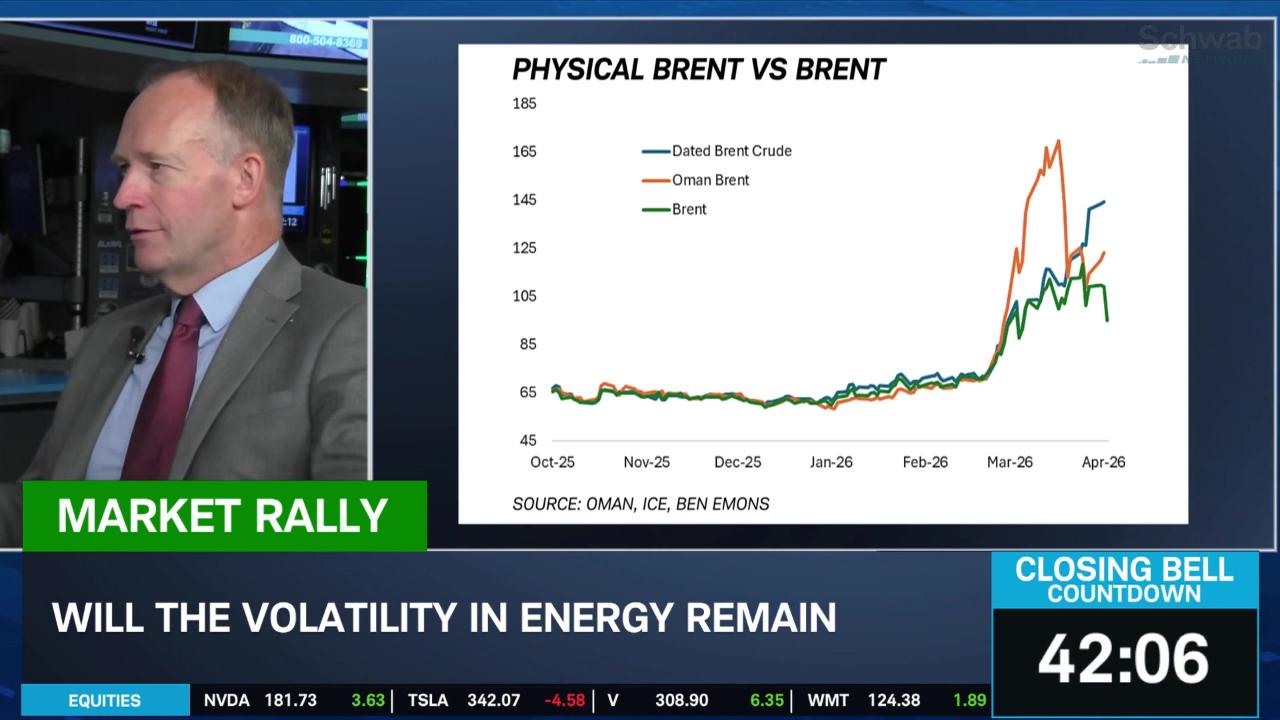
Yesterday, WTI crude dropped more than 12% following the announcement of a ceasefire in the Iran conflict, driven by hopes that traffic through the Strait of Hormuz may begin to normalize over the coming months and that the risk of energy infrastructure being targeted by military strikes could diminish.
It is no surprise that the $100 level for WTI has acted as major resistance. Although prices briefly advanced to $110, the market has been unable to sustain that move — and rightfully so.
This time is different in some respects. As the United States has become the world’s largest oil producer, its reliance on certain global crude flows has declined, though not entirely. The key issue remains the supply of medium-sour and heavy-sour crude, which the United States does not produce in significant quantities.
These grades are critical for refining heavier byproducts such as diesel, bunker fuel, plastics, and a wide range of industrial chemicals needed to sustain the global economy.
However, as with nearly all goods, there comes a point where demand destruction sets in or alternatives begin to emerge when prices rise too far. We are now seeing those adjustments take place in a pronounced way.
In South Asian markets, the Philippines has implemented significant conservation measures reminiscent of COVID-era restrictions, including a shift to a four-day workweek and regulations on air-conditioning usage.
That said, the Strait of Hormuz remains the key bottleneck and will continue to be the primary focus as ceasefire negotiations expand over the weekend.
For now, daily tanker traffic remains very light, but one bright spot is that orders are beginning to pick up.
China’s teapot refiners have placed new orders for Iranian crude following the price pullback over the last two days. Taiwan’s CPC Corporation, Taiwan has also placed a tanker order for 2 million barrels of Middle Eastern crude, an amount estimated to cover roughly two weeks of domestic usage. In addition, Glencore has reportedly placed new orders for oil supplies. All of these shipments, however, must still pass through the Strait in order for the transactions to be completed.
For now, significant questions remain around how long the ceasefire may hold. If it fails, oil prices could still advance materially higher. However, any form of a sustainable agreement could bring WTI back toward a retest of the $75 level, which may provide a meaningful tailwind for equities and potentially allow markets to rally back toward all-time highs.
Morning Minute
Featured Clips
Tune in live from 8 a.m. to 5 p.m. ET, or anytime, anywhere, on‑demand.
Or stream it via thinkorswim® and thinkorswim Mobile, available through our broker-dealer affiliate, Charles Schwab & Co., Inc
Please do not reply to this email. Replies are not delivered to Schwab Network. For inquiries or comments, please email [email protected].
See how your information is protected with our privacy statement.
Charles Schwab and all third parties mentioned are separate and unaffiliated, and are not responsible for one another's policies, services or opinions. Schwab Network is brought to you by Charles Schwab Media Productions Company (“CSMPC”). CSMPC is a wholly owned subsidiary of The Charles Schwab Corporation and is not a financial advisor, registered investment advisor, broker-dealer, or futures commission merchant.