- Market Minute
- Posts
- The Focus Moves from the Strait of Hormuz to Refining Operations
The Focus Moves from the Strait of Hormuz to Refining Operations

Kevin Green
March 07, 2026

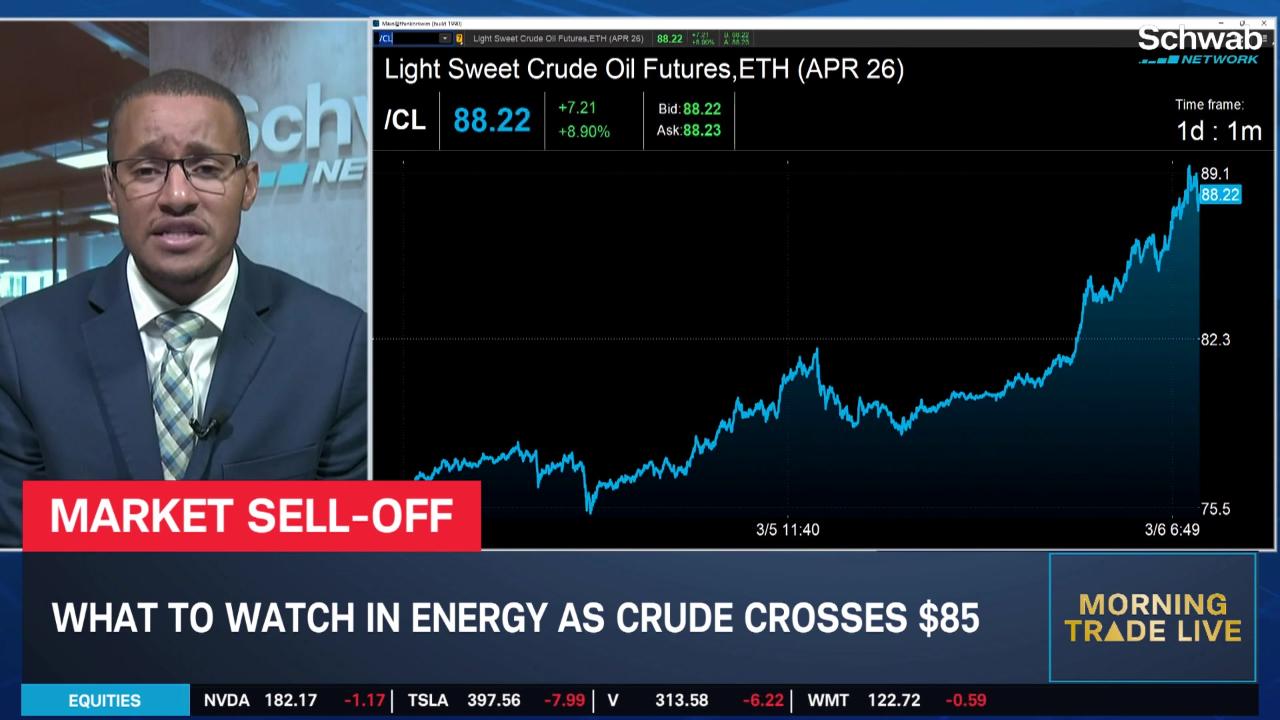
This was a historic week for the energy markets. WTI crude crossed above $90 for the first time since September 2023, diesel prices surged more than 39% in a single week, and the national average price for gasoline at the pump rose 11.3%, according to AAA.
The initial catalyst for the rally was the shock of tankers being struck near the Strait of Hormuz, which brought traffic through the waterway virtually to a halt. Roughly 20 million barrels per day of oil flows typically pass through the strait, and a significant portion of those shipments are now unable to reach their final destinations.
However, the conflict has now entered a new phase. Instead of focusing solely on maritime disruption, key oil refining and LNG infrastructure has become a target of attacks by the Iranian regime, forcing some facilities to slow production or halt operations altogether. This development could ultimately have a more significant impact on energy markets than the disruption to vessel traffic alone.
Countries such as Qatar, Kuwait, and Iraq have been heavily affected by the current events. In several cases, producers are unable to export petroleum byproducts into global markets and are also unable to store excess supply because storage facilities are already operating at capacity.
This situation will be important to monitor in the coming week. The more refining and extraction operations that are shut, the more difficult it becomes to restore production. In many cases, it can take three to four weeks for these facilities to return to their pre-conflict production capacity.
Another emerging issue is the rerouting of oil and LNG tankers to alternative destinations, which is beginning to create logistical mismatches in global shipping routes. Even after tensions eventually cool, these disruptions could keep daily tanker rates elevated, contributing to a continued severe backwardation in crude oil markets—a situation where spot prices remain significantly higher than futures prices.
The Trump administration has announced several measures intended to help mitigate rising fuel prices. These include providing maritime insurance for tankers transiting the Strait of Hormuz, granting India a temporary 30-day waiver to purchase Russian oil, and potentially taking steps to intervene in futures markets in an attempt to dampen price volatility. Critics have noted that India likely would have continued purchasing Russian crude regardless of the waiver.
As the situation evolves, markets will inevitably adapt. Historically, once oil prices reach a sufficiently elevated level, the marginal impact of geopolitical headlines on market volatility begins to diminish, similar to patterns seen during previous military conflicts. For now, however, energy markets remain overwhelmingly driven by developments and warrants caution for traders.
Featured Clip

Tune in live from 8 a.m. to 5 p.m. ET, or anytime, anywhere, on‑demand.
Or stream it via thinkorswim® and thinkorswim Mobile, available through our broker-dealer affiliate, Charles Schwab & Co., Inc
Please do not reply to this email. Replies are not delivered to Schwab Network. For inquiries or comments, please email [email protected].
See how your information is protected with our privacy statement.
This material is intended for informational purposes only and should not be considered a personalized recommendation or investment advice. Investors should review investment strategies for their own particular situations before making any decisions.
Schwab Network is brought to you by Charles Schwab Media Productions Company (“CSMPC”). CSMPC is a subsidiary of The Charles Schwab Corporation and is not a financial advisor, registered investment advisor, broker-dealer, or futures commission merchant.
Charles Schwab Media Productions Company and all third parties mentioned are separate and unaffiliated, and are not responsible for one another's policies, services or opinions.
Data contained herein is obtained from what are considered reliable sources. However, its accuracy, completeness, or reliability cannot be guaranteed. All events and times listed are subject to change without notice.
1